Understanding the Basics: Trademark a Business Name vs LLC
When starting a business, you might wonder about the differences between trademarking a business name and forming an LLC. These are two distinct legal processes that serve different purposes. It’s crucial to understand how each one protects your brand and when you might need both.
What is a Trademark?
A trademark is a legal designation that protects your brand’s identity by allowing you exclusive rights to use a particular name, logo, or slogan in your industry. It helps prevent others from using a similar name or symbol that could confuse customers. Trademarks are registered with the U.S. Patent and Trademark Office (USPTO) or a similar organization in other countries. Learn more about descriptive vs distinctive trademarks.
Benefits of Trademarking a Business Name
- Exclusive Rights: Provides legal grounds to stop others from using your brand’s name or logo.
- Brand Recognition: Builds trust and recognition with customers.
- Asset Value: Increases the value of your business by protecting its intellectual property.
What is an LLC?
An LLC, or Limited Liability Company, is a business structure that offers personal liability protection and various tax benefits. Forming an LLC is done at the state level and involves registering your business name with the state government.
Benefits of Forming an LLC
- Liability Protection: Shields your personal assets from business debts and liabilities.
- Flexible Management: Offers flexibility in how you manage and operate your business.
- Tax Advantages: Allows you to choose how you want your business to be taxed.
Trademark a Business Name vs LLC: Key Differences
Legal Protection
- Trademark: Protects your brand’s name, logo, or slogan from being used by others in your industry. Learn about trademark symbols TM vs R.
- LLC: Protects your personal assets from business liabilities.
Registration Process
- Trademark: Requires filing an application with the USPTO, including a search to ensure your desired trademark isn’t already in use. Learn about Supplemental vs Principal Register: Key Differences.
- LLC: Involves registering your business name with the state, checking for name availability in that state. Learn if two companies can have the same name legally.
Scope of Protection
- Trademark: Offers nationwide protection if registered with the USPTO.
- LLC: Offers protection only at the state level, unless registered in multiple states.
Purpose
- Trademark: Focuses on protecting brand identity.
- LLC: Focuses on protecting the owner’s personal assets.
Do You Need Both a Trademark and an LLC?
While forming an LLC and securing a trademark are separate processes, both can be beneficial for your business. Having an LLC protects your personal assets, while a trademark secures your brand identity. For comprehensive protection, consider both. Learn more about domain name vs trademark rights.
Why Trademark Monitoring is Important
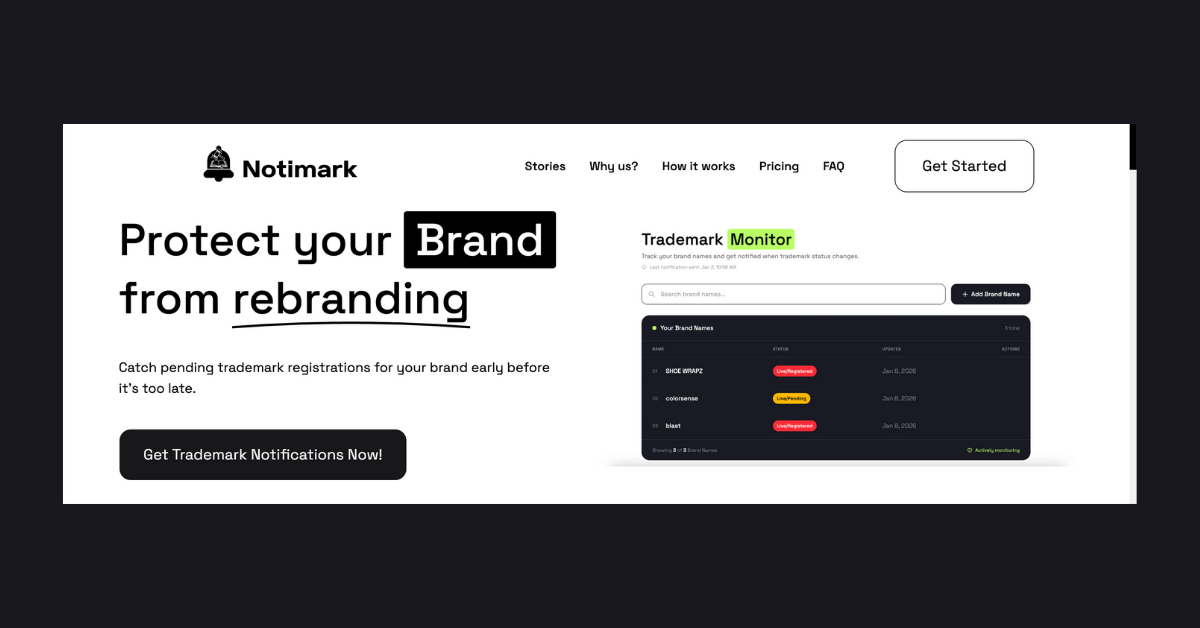
Even after securing a trademark, it’s crucial to monitor for potential infringements. Services like Notimark help you track new or pending trademarks that might conflict with yours, allowing you to take action promptly.
How to Get Started
- Conduct a Trademark Search: Before applying, ensure your desired name or logo isn’t already trademarked. Learn what to do if someone trademarked your business name.
- File for a Trademark: Submit an application to the USPTO, providing details about your brand and its use.
- Form Your LLC: Register your business name with the state and file the necessary paperwork.
- Monitor Your Trademark: Use services like Notimark to keep an eye on potential conflicts.
FAQ
Can I trademark my business name without forming an LLC?
Yes, you can trademark a business name without forming an LLC. Trademarking protects your brand identity, while an LLC protects your personal assets.
How long does it take to get a trademark?
The trademark registration process can take anywhere from 6 months to a year, depending on any issues that arise during examination.
Is my LLC name automatically trademarked?
No, registering an LLC name with the state doesn’t automatically grant trademark rights. You need to file a separate trademark application.
What if someone uses my trademarked name?
If someone uses your trademarked name, you can take legal action to enforce your rights and stop them from using it.
