When considering the question, “can two companies have the same name,” the answer often depends on factors like trademark classes, geographic regions, and specific industry nuances, especially in the software world. Let’s dive into the complex landscape of naming rights and how they apply across various scenarios.
Understanding Trademark Classes
Trademarks are categorized into different classes based on the types of goods or services they cover. The Nice Classification (NCL) is an international system used to organize these classes. For example, Class 25 covers clothing, footwear, and headgear, while Class 9 includes software and electronic goods.
Two companies can indeed use the same name if they operate in different trademark classes. For instance, “Delta” is famously used by both an airline and a faucet manufacturer. Since they belong to different classes, there is no conflict.
How Classes Protect Businesses
- Breadth of Protection: Registering a trademark in a specific class protects your brand within that category. This allows different businesses to coexist without legal issues if they operate in unrelated classes.
- Expansion Considerations: If you plan to expand into new product lines or services, securing trademarks in additional classes is wise. Learn more about trademarking a business name vs forming an LLC.
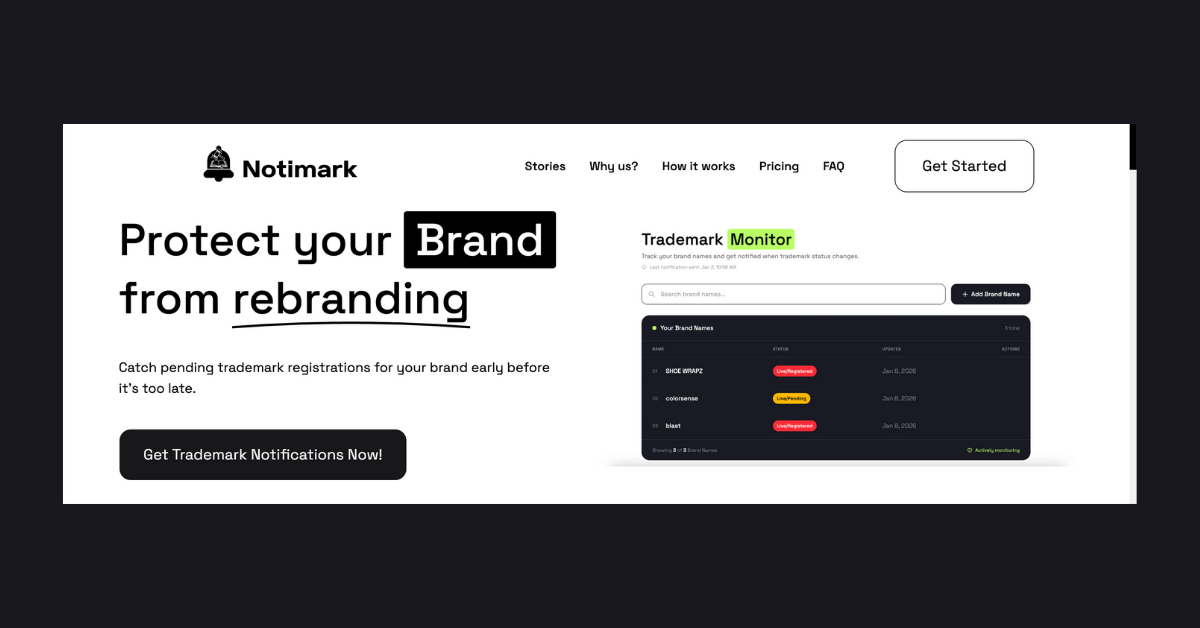
- Trademark Monitoring: Using a service like Notimark can help you keep an eye on new filings that might overlap with your name in your chosen classes.
Geographic Limitations
Trademark rights are generally territorial. This means two companies can have the same name if they operate in different countries or regions without overlapping trademark jurisdictions. For instance, a “Pinnacle” hotel in Canada might coexist with a “Pinnacle” travel agency in Australia.
International Considerations
- Local Registration: Ensure you register your trademark in each country where you plan to operate. This protects your brand internationally.
- Madrid Protocol: The Madrid System allows for international registration across multiple countries, simplifying the process of securing rights in various jurisdictions.
- Regional Differences: Some regions, like the European Union, offer unified registration systems, while others do not. Understanding these distinctions is crucial.
Software Industry Edge Cases
The software sector presents unique challenges regarding trademark names, as apps and SaaS products often operate globally from day one. This can complicate the coexistence of similar names.
Overlapping Names in Software
- App Stores: The App Store and Google Play have their own rules, often allowing similar names if they don’t cause confusion within the app’s category. However, this doesn’t exempt a developer from broader trademark laws.
- SaaS Considerations: SaaS platforms might share names with other software solutions, but as long as they serve different markets or functionalities, they may coexist. However, monitoring is crucial to avoid unintentional infringement.
- Trademark Monitoring: With the global reach of software, using a service like Notimark to monitor new trademark applications can help prevent conflicts before they escalate.
Strategies for Avoiding Conflicts
Whether you’re launching a new brand or expanding an existing one, it’s critical to navigate the trademark landscape carefully: check out our guide on naming a startup without legal trouble.
- Conduct Thorough Searches: Before settling on a name, perform exhaustive searches in all relevant trademark databases.
- Consult Legal Experts: Trademark attorneys can provide valuable insights into potential conflicts and registration strategies.
- Stay Informed: Monitor the landscape continuously to catch any potential conflicts early.
FAQ
Can two companies in the same industry have the same name?
It depends on trademark registration and the classes involved. If they’re in different classes or geographic regions, it might be possible.
What happens if two companies have the same name?
If they operate in different classes or regions, they might coexist without issues. However, conflicts could arise if they compete in the same market.
How does trademark monitoring help?
Monitoring helps you detect new trademarks that might conflict with yours, allowing you to act early to protect your brand.
Can apps on the App Store have the same name?
App Store policies might allow similar names if they’re in different categories. However, this doesn’t override broader trademark laws.
