When you’re setting out to name a startup, the excitement of brainstorming can quickly turn into a legal headache if you don’t do your homework. Naming a startup without getting sued involves more than just creativity. It requires a strategic approach to ensure your chosen name is unique and legally safe. Here’s a checklist to guide you through the process.
Trademark Search
The first step in naming your startup should be a thorough trademark search. This ensures that your chosen name isn’t already legally protected by another entity. A trademark is a sign capable of distinguishing the goods or services of one enterprise from those of other enterprises. Trademarks are usually registered with governmental organizations.
Steps for Conducting a Trademark Search:
- Use Online Databases: Start with free resources like the United States Patent and Trademark Office (USPTO) database or the European Union Intellectual Property Office (EUIPO) search tool.
- Search for Similar Names: Look for names that are phonetically or visually similar, not just exact matches.
- Check International Trademarks: If you plan to operate internationally, check the World Intellectual Property Organization (WIPO) Global Brand Database.
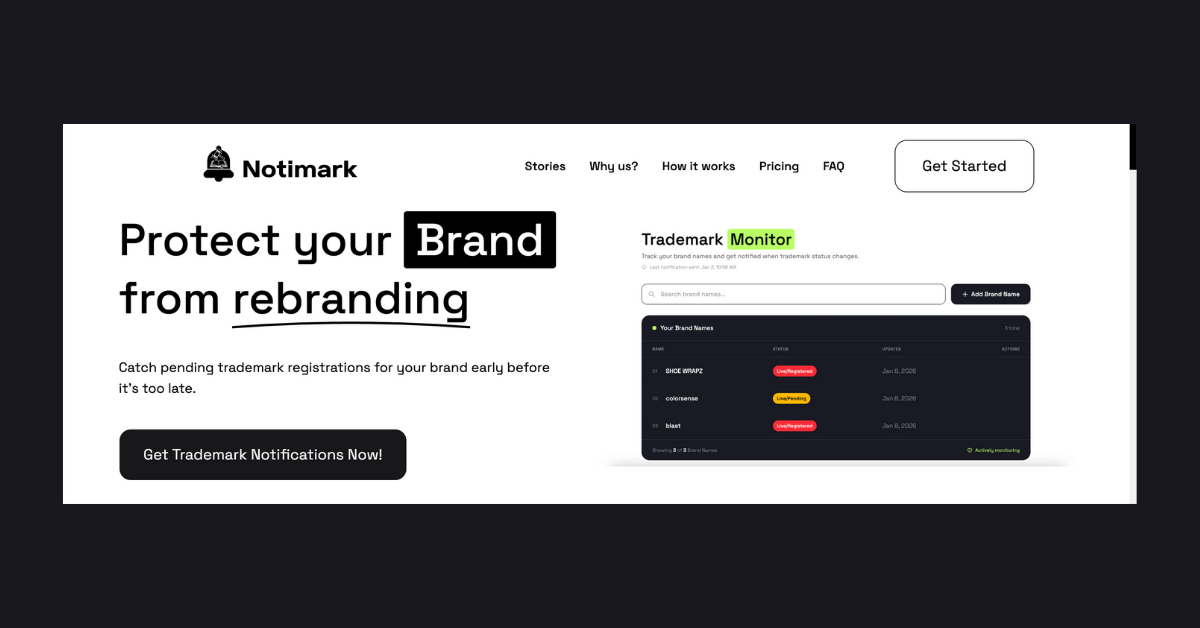
- Consider Professional Help: Consulting a trademark attorney or using a trademark monitoring service like Notimark can provide peace of mind and reduce risk.
Domain and Social Media Handles
Securing a domain name and social media handles is critical in today’s digital world. Consistency across platforms strengthens your brand’s identity.
Checklist for Domains and Handles:
- Domain Availability: Use domain registration services to check if your desired domain is available. Consider variations like .com, .net, and country-specific domains.
- Social Media Handles: Check platforms like Twitter, Instagram, LinkedIn, and Facebook to ensure your name is available.
- Consistency: Aim for the same or similar handles across all platforms to maintain brand consistency.
- Domain Squatting: Be wary of purchasing domains from squatters at inflated prices. Consider slightly modified versions if necessary.
Linguistic Checks
Avoiding unintended meanings or negative connotations in different languages or cultures is crucial, especially if you’re targeting a global market.
Steps for Linguistic Checks:
- Translation Tools: Use online translation tools to check if your name has negative meanings in other languages.
- Consult Native Speakers: Reach out to native speakers to verify translations and cultural implications.
- Cultural Sensitivity: Research cultural references that may affect the perception of your name.
Finalizing Your Startup Name
Once you’ve completed your checks, it’s time to finalize your startup name. Here are some additional tips to help you make the right choice:
- Memorability: Choose a name that is easy to remember and spell.
- Scalability: Consider how the name will fit if your business expands into new products or markets.
- Feedback: Gather feedback from potential customers and stakeholders.
- Legal Registration: Register your trademark to protect your brand legally. For startups looking to operate in Europe, learn about EU trademark registration for startups.
FAQ
How do I know if my startup name is already taken?
Conduct a trademark search using databases like the USPTO or EUIPO. Also, check for domain availability and social media handles.
Can I use a name if it’s not trademarked?
Even if a name isn’t trademarked, it could be in use and protected under common law trademarks. It’s best to do thorough research and consult with a professional.
What if my startup name is similar to another company’s name?
If another company has a similar name in the same industry or market, it could lead to legal issues. Consider modifying your name to avoid confusion.
How can Notimark help with naming a startup?
Notimark offers trademark monitoring services that help you stay aware of potential conflicts with new or pending trademarks, so you can act early and reduce legal risks.
