Understanding the distinction between a domain name and trademark rights is crucial for anyone looking to protect or choose a name for their business or product. While owning a .com domain might feel like a stake in the digital ground, it doesn’t grant you trademark rights. This can lead to complex legal challenges, such as UDRP (Uniform Domain-Name Dispute-Resolution Policy) cases and even reverse hijacking.
Domain Name vs Trademark Rights
A domain name is essentially an online address that directs people to your website. It is registered through domain registrars and can be bought, sold, or transferred. However, a domain name doesn’t automatically confer trademark rights.
Trademark rights, on the other hand, arise from the use of a name or symbol in commerce to identify and distinguish the goods or services of one party from those of others. Trademarks are protected by law, preventing others from using a similar name that could cause confusion.
Key Differences
- Ownership: Owning a domain name is not the same as owning a trademark. Trademarks require formal registration and actual use in commerce.
- Purpose: Domain names are for online identity, while trademarks protect brand identity and consumer trust.
- Legal Protection: Trademarks offer stronger legal protection than domain names, which can be disputed under UDRP.
The Role of UDRP in Domain Name Disputes
The Uniform Domain-Name Dispute-Resolution Policy (UDRP) is a process established by ICANN to resolve disputes regarding the registration of internet domain names. If someone believes a domain name infringes on their trademark rights, they can file a UDRP complaint. Learn about using a dead trademark and its risks.
How UDRP Works
- Filing a Complaint: The trademark holder files a complaint against the domain name holder.
- Panel Review: A panel of experts reviews the case to determine if the domain name is identical or confusingly similar to the trademark, if the domain holder lacks rights or legitimate interests in the name, and if the domain was registered in bad faith.
- Resolution: If the complaint is successful, the domain may be transferred to the trademark holder.
Understanding Reverse Hijacking
Reverse domain name hijacking (RDNH) occurs when a trademark owner attempts to secure a domain name by making false claims in a UDRP proceeding. This is an abuse of the UDRP process and can lead to legal consequences for the trademark holder.
Preventing Reverse Hijacking
- Good Faith: Ensure your trademark claims are legitimate before filing a UDRP.
- Legal Advice: Consult with legal experts to avoid misuse of the UDRP process.
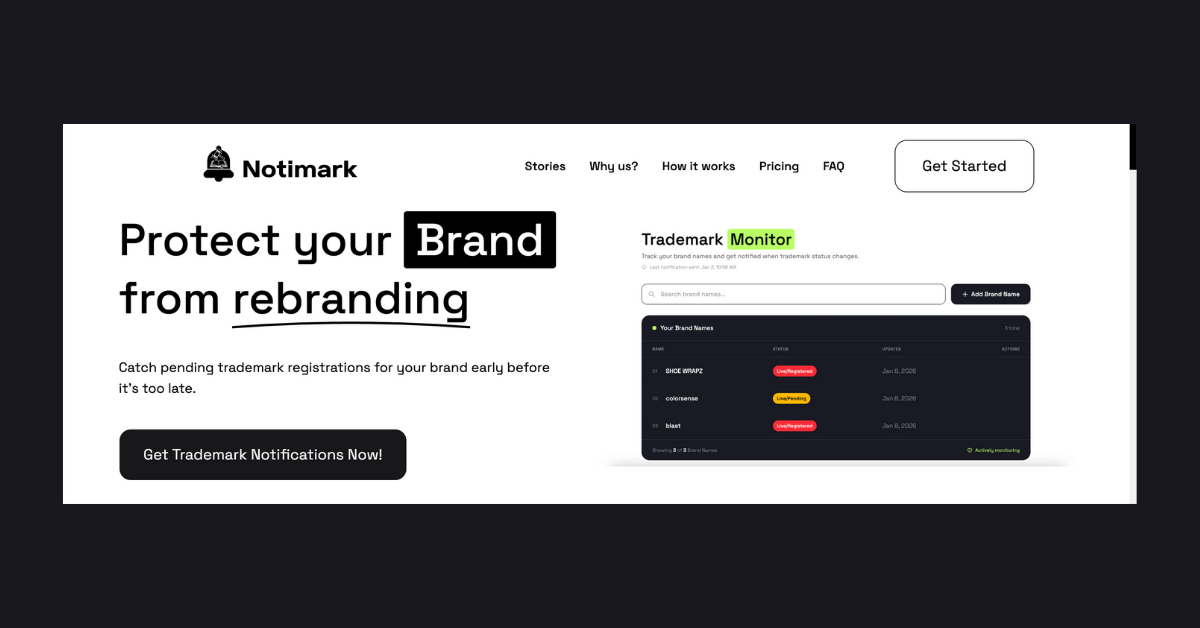
- Trademark Monitoring: Use services like Notimark to keep track of potential infringements and act accordingly.
Protecting Your Brand Online
To effectively protect your brand online, consider both trademark registration and strategic domain name acquisition. Here are some steps:
- Register Trademarks: Secure trademark rights in the jurisdictions where you operate.
- Acquire Relevant Domains: Register domain names that are identical or similar to your business or product name.
- Monitor for Infringements: Use trademark monitoring services like Notimark to watch for potential conflicts.
FAQ
Can I lose my domain name if someone has a trademark?
Yes, if a trademark holder files a successful UDRP complaint showing that your domain name infringes on their rights and was registered in bad faith, you might lose the domain.
What is the difference between UDRP and trademark law?
UDRP is a process specifically for domain name disputes, while trademark law covers broader issues related to brand identity and consumer confusion.
How can I protect my domain name from reverse hijacking?
Ensure your domain registration is legitimate, consult legal experts, and be wary of any claims that seem unjustified.
Do I need both a domain name and a trademark?
While not legally required, having both strengthens your brand protection and reduces the risk of disputes.
