When a trademark is labeled as “dead,” many people wonder: “Dead trademark, can I use it?” The term “dead” refers to trademarks that are no longer active, typically because they have been abandoned or canceled. While it might seem like a free pass to use such a mark, there are several risks and considerations to keep in mind.
What is a Dead Trademark?
A dead trademark refers to a mark that is no longer protected because it has been abandoned or canceled. This can happen for several reasons:
- Abandonment: The trademark owner stops using the mark in commerce and fails to maintain it. This might be due to a business closing or a strategic change.
- Cancellation: The U.S. Patent and Trademark Office (USPTO) or a court may cancel a mark if it is challenged and found to be invalid or if the owner fails to renew it.
When a trademark is dead, it is removed from the Trademark Electronic Search System (TESS) database as an active registration.
Dead Trademark, Can I Use It?
Using a dead trademark might seem like a straightforward decision, but there are a few things to consider:
Potential Risks
- Revival of the Mark: The original owner might still have common law rights or could revive the trademark if it was abandoned due to non-use but not intentionally given up.
- Confusing Similarity: The dead trademark might be similar to other active marks. This could lead to legal conflicts if consumers are confused about the source of goods or services.
- Reputation Concerns: If the previous trademark had a negative reputation or was associated with poor quality, adopting it could affect your brand negatively.
- Trademark Squatting: Some entities look for dead trademarks to register them opportunistically, potentially leading to disputes.
When It Might Be Safe
There are situations where using a dead trademark could be relatively low-risk:
- No Common Law Rights: If the original owner has completely ceased using the mark and has no intention of reusing it, common law rights may not apply.
- Distinct Change in Industry: If your use of the mark is in a completely different industry or context, the likelihood of confusion decreases. Learn more about trademark classes and their significance.
- Time Passed: A long period since the mark was abandoned might reduce the chance of the original owner asserting rights.
Steps to Take Before Using a Dead Trademark
- Conduct Thorough Research: Use tools like TESS to check the status of the mark and consult legal databases to ensure there are no pending litigations.
- Consult a Trademark Attorney: A professional can provide insights into potential risks and help you understand the nuances of trademark law.
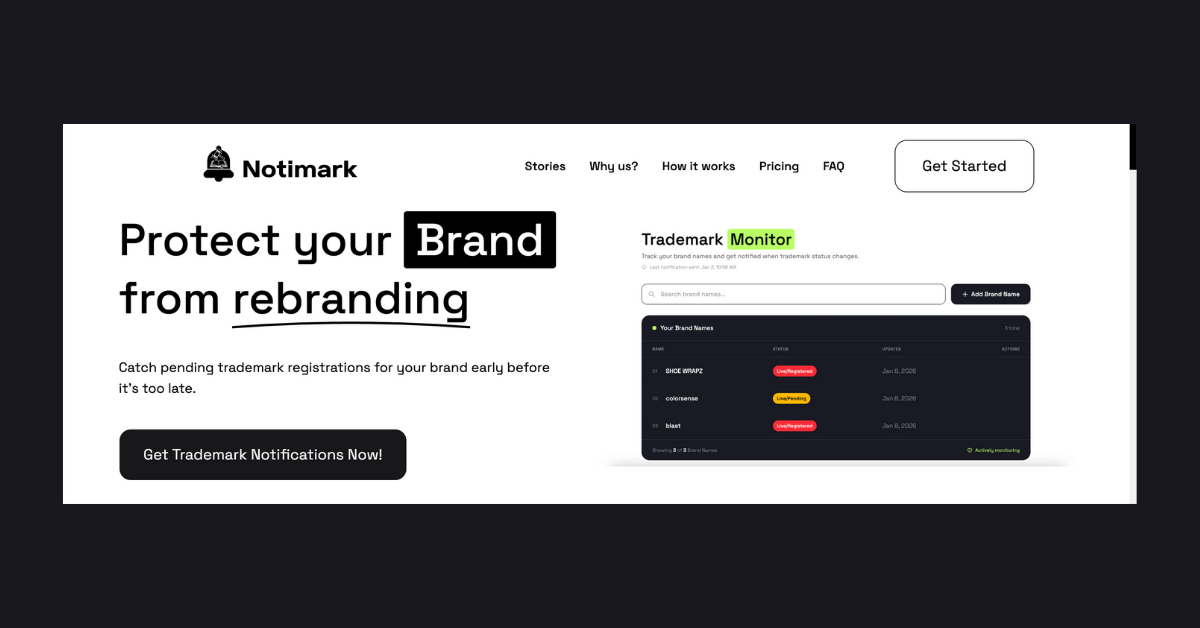
- Consider Monitoring Services: Services like Notimark can help you keep an eye on trademarks to catch any developments early, such as the original owner attempting to revive the mark.
- Evaluate the Mark’s History: Understand the mark’s past reputation and market presence to assess any potential impact on your brand.
Trademark Monitoring: Why It Matters
Using a dead trademark is not without its complexities. Monitoring services like Notimark can be invaluable in this process. They alert you to new filings that could affect your use or reveal attempts by others to register similar marks. Having this information early allows you to make informed decisions and take action if necessary.
FAQ
Can I legally use a dead trademark?
It depends. While a dead trademark is no longer protected by a federal registration, the original owner might still have common law rights. Always conduct thorough research and consult a trademark attorney.
How can I check if a trademark is dead?
You can use the USPTO’s TESS database to search for the status of a trademark. If it is labeled as “dead,” it means it is no longer actively registered.
What are the risks of using a dead trademark?
The risks include potential legal conflicts, revival by the original owner, and confusion with existing marks. It’s important to evaluate these risks carefully before proceeding.
Is it possible for a dead trademark to be revived?
Yes, a trademark can be revived if the owner can prove its continued use or if it was mistakenly abandoned. Monitoring the mark can alert you to such developments.
