Understanding Likelihood of Confusion in Trademarks
When it comes to trademark disputes, the concept of “likelihood of confusion” plays a critical role. This legal test determines whether two trademarks are similar enough that consumers might mistakenly believe they are related. Understanding this test is essential for businesses, especially within the software industry, where innovation and branding are key.
What is the Likelihood of Confusion?
The likelihood of confusion trademark test assesses whether the average consumer could be confused by the similarities between two marks. It’s not enough for marks to look or sound alike; they must be similar in context, taking into account the industry, target audience, and overall presentation.
Factors that are often considered include:
- Similarity in appearance, sound, and meaning: Are the marks visually or phonetically alike?
- Relatedness of goods or services: Are the products or services offered under the marks similar or complementary?
- Strength of the prior mark: Is the existing trademark well-known or unique?
- Actual confusion: Has there been documented evidence of consumer confusion?
- Marketing channels used: Are the marks promoted through similar channels?
- Degree of consumer care: Are consumers likely to be attentive when making a purchase?
Software Industry Examples
In the software industry, the likelihood of confusion can be particularly nuanced. Software products often rely on distinctive branding to stand out in a crowded market. Let’s explore some hypothetical examples:
Example 1: “CloudSync” vs. “KlodSync”
Imagine a scenario where a company named “CloudSync” offers cloud storage solutions. A new entrant, “KlodSync,” enters the market with a similar service. Here, the likelihood of confusion might be high due to:
- Similar Sound: Both names sound nearly identical, which could cause auditory confusion.
- Related Services: Both offer cloud storage, making the overlap in services a factor.
Example 2: “SoftGuard” vs. “SoftGuard Pro”
Consider “SoftGuard,” a well-established cybersecurity software. A new company launches “SoftGuard Pro,” aiming to provide enhanced security features. The likelihood of confusion here depends on:
- Strength of the Original Mark: If “SoftGuard” is well-known, the addition of “Pro” may still cause confusion.
- Consumer Care: Given the technical nature, consumers might pay more attention, reducing confusion.
Legal Implications and Prevention
Understanding the likelihood of confusion is crucial for avoiding legal disputes. If a court finds that a new mark creates confusion, the newer company may be required to change its branding or even pay damages. Learn more about common law trademark rights.
Prevention Tips:
- Conduct Thorough Searches: Before launching a new product or service, conduct comprehensive trademark searches to ensure your mark is unique.
- Consult Legal Experts: Trademark attorneys can provide valuable insights into potential conflicts.
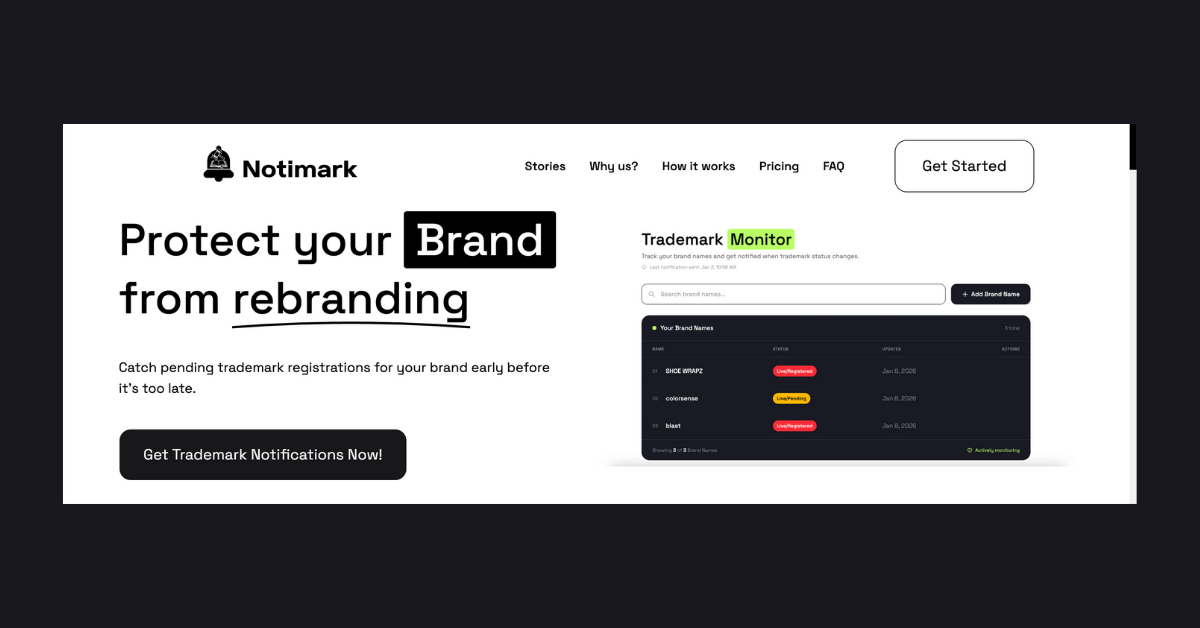
- Consider Monitoring Services: Using a service like Notimark can help you stay informed about new filings that might infringe on your brand.
The Role of Trademark Monitoring
Monitoring trademarks is a proactive way to protect your brand from potential conflicts. Services like Notimark can alert you to new trademark filings that resemble your own, allowing you to take action before confusion arises.
FAQ
What is the likelihood of confusion in trademark law?
The likelihood of confusion is a test used to determine if consumers might mistakenly believe that two trademarks are related.
How is likelihood of confusion determined?
It is assessed based on factors like similarity in appearance, relatedness of goods, strength of the mark, and evidence of actual confusion.
Why is the likelihood of confusion important?
It helps prevent consumer confusion and protects the value of established brands.
How can I avoid trademark confusion?
Conduct thorough searches, consult with legal experts, and use trademark monitoring services to identify potential conflicts early.
