Rebranding after a trademark dispute can be a daunting task for any business. Losing the right to use a beloved brand name not only impacts your identity but also poses significant challenges in retaining SEO rankings and user loyalty. However, with careful planning and execution, you can navigate this transition smoothly. Here’s how to execute a forced rename with minimal SEO and user loss.
Understanding the Impact of a Trademark Dispute
Before diving into the rebranding process, it’s crucial to understand the full impact of a trademark dispute. A trademark dispute typically arises when another party claims your brand name infringes on their trademark rights. This can result in a legal requirement to change your brand name, often leading to potential loss of brand recognition, SEO rankings, and customer trust. Learn how small businesses can handle trademark bullying.
Steps to Rebrand Successfully
1. Conduct Thorough Research
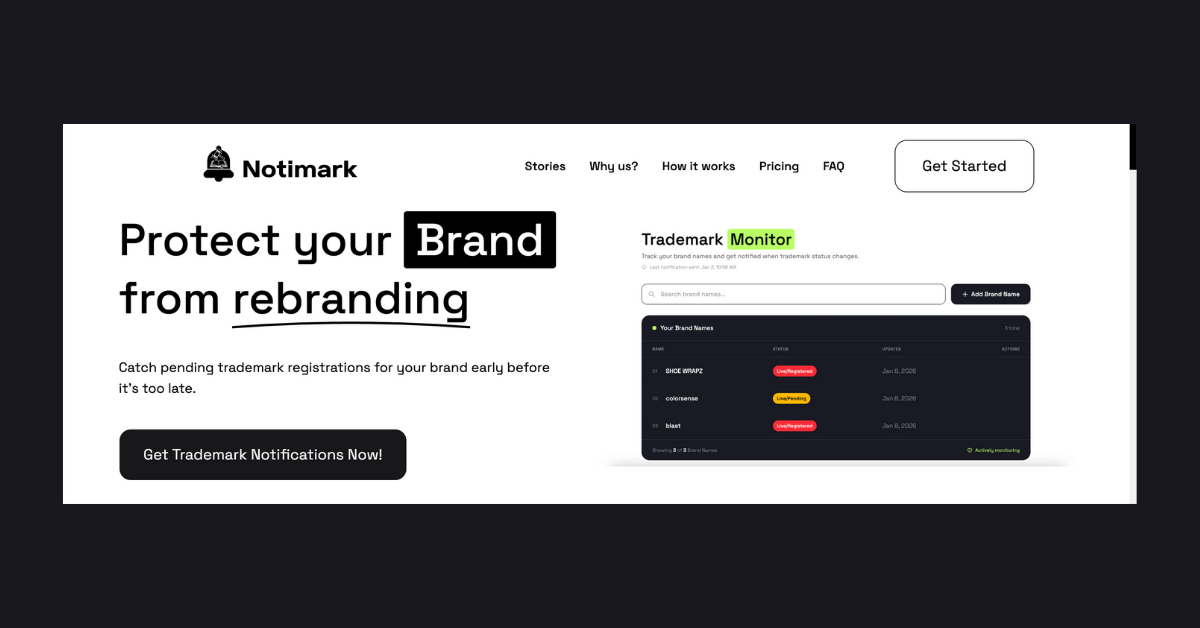
Start by conducting thorough research to ensure your new brand name is unique and free from potential trademark conflicts. Use tools like Notimark to monitor existing trademarks and avoid future disputes.
2. Develop a Rebranding Strategy
A well-thought-out rebranding strategy is essential for minimizing disruption. Consider the following:
- Timeline: Set a realistic timeline for the transition, allowing adequate time for planning and execution.
- Stakeholder Involvement: Involve key stakeholders, including employees, partners, and customers, to gather input and ensure buy-in.
- Budget: Allocate a budget for marketing, legal, and logistical costs associated with rebranding.
3. Choose a Strong New Brand Name
Selecting a strong, memorable new brand name is crucial. Ensure it resonates with your target audience and aligns with your brand values. Conduct a thorough trademark search to avoid potential conflicts in the future.
4. Update Your Online Presence
Your online presence is vital for maintaining SEO rankings and user engagement. Follow these steps to update your digital footprint:
- Website: Redirect your old domain to the new one, and update all on-page content, metadata, and URLs to reflect the new brand name.
- Social Media: Change your social media handles and update profile information across all platforms.
- Listings and Directories: Update business listings and directories to ensure consistency and avoid confusion.
5. Communicate the Change Effectively
Clear communication is key to a successful rebrand. Inform your customers and stakeholders of the change early and often:
- Announcements: Use newsletters, social media, and press releases to announce the rebrand.
- FAQs: Provide an FAQ section on your website to address common concerns and questions.
- Consistent Messaging: Ensure that all communications are consistent and reinforce the reasons for the change.
6. Monitor and Adjust
After implementing the rebrand, closely monitor its impact on your SEO and user engagement. Use analytics tools to track changes in web traffic, rankings, and customer feedback. Adjust your strategy as needed to address any issues.
The Role of Trademark Monitoring
Trademark monitoring services like Notimark can play a crucial role in preventing future disputes. By keeping an eye on new and pending trademarks, you can proactively address potential conflicts and protect your brand identity.
FAQ
How do I choose a new brand name after a trademark dispute?
Select a name that is unique, memorable, and aligns with your brand values. Conduct a thorough trademark search to ensure it’s free from conflicts.
What are the main steps to rebrand after a trademark dispute?
Key steps include conducting research, developing a strategy, choosing a new name, updating your online presence, and communicating the change effectively.
How can I minimize SEO loss during a rebrand?
To minimize SEO loss, redirect your old domain to the new one, update all on-page content and metadata, and maintain consistency across your digital presence.
Why is trademark monitoring important?
Trademark monitoring helps prevent future disputes by alerting you to potential conflicts early, allowing you to take proactive measures to protect your brand.
