When you apply for a trademark, there’s a chance someone might oppose it at the Trademark Trial and Appeal Board (TTAB). Understanding how to respond to trademark opposition is crucial to protecting your brand. This guide walks you through the steps to take after receiving a Notice of Opposition. For related issues, learn how to handle a cease and desist letter for trademarks.
Understanding Trademark Opposition
Trademark opposition is a formal objection to your trademark application filed by another party. This typically happens during the publication period in the Official Gazette, where third parties can review and contest your application if they believe your trademark infringes on their rights.
Common Reasons for Opposition
Oppositions can arise for various reasons, including:
- Likelihood of confusion: The opposing party believes your trademark is too similar to theirs and might confuse consumers.
- Descriptiveness: Your trademark is considered descriptive of the goods or services it represents.
- Genericness: The term is generic and not eligible for trademark protection.
- Dilution: The trademark could dilute the distinctiveness of a famous mark.
Steps to Take After Receiving an Opposition
1. Review the Notice of Opposition
Carefully read the Notice of Opposition to understand the grounds for opposition. This will help you decide on your next steps and whether to consult with a trademark attorney.
2. Consult with a Trademark Attorney
Responding to a trademark opposition can be complex. A trademark attorney will provide valuable insights into the merits of the opposition and help you formulate a strategy.
3. File an Answer
Within 40 days of receiving the Notice of Opposition, you must file an Answer with the TTAB. This document should address each point raised in the opposition and assert any defenses you have.
4. Discovery Process
After filing your Answer, the discovery phase begins. Both parties will gather evidence to support their claims. This can include document requests, interrogatories, and depositions.
5. Negotiation and Settlement
Oppositions can often be resolved through negotiation. Consider reaching out to the opposing party to discuss potential settlements. This can save time and resources for both sides. Learn how small businesses can handle trademark bullying.
6. Trial and Decision
If no settlement is reached, the case goes to trial at the TTAB. Both parties present their evidence and arguments. The TTAB then makes a decision based on the presented facts.
Strategies for a Successful Response
- Gather Evidence: Collect documentation that supports your claim, such as marketing materials, customer testimonials, and sales records.
- Understand the Opposition: Analyze the opposing party’s history and previous oppositions to identify potential weaknesses.
- Be Prepared to Compromise: Sometimes, reaching a compromise is strategically beneficial. Consider amending your application, such as narrowing your goods or services.
How Monitoring Helps
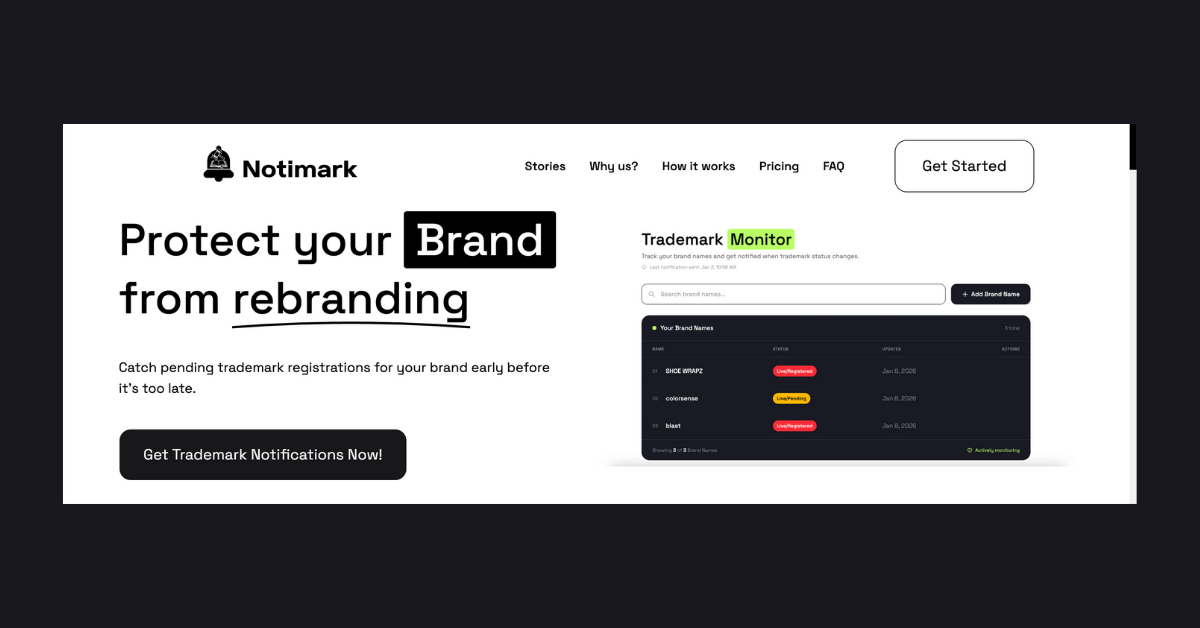
Proactive trademark monitoring is crucial to avoid potential conflicts. Using a service like Notimark can help you stay informed about new trademarks that may pose a risk to your brand, allowing you to act early and possibly avoid opposition scenarios.
FAQ
What happens if I don’t respond to a trademark opposition?
Failing to respond results in a default judgment against your application, meaning it will be abandoned.
How long does the trademark opposition process take?
The duration varies, but typically, the process can take anywhere from several months to over a year, depending on the complexity.
Can I settle a trademark opposition?
Yes, many oppositions are resolved through settlements. Negotiating a resolution can often be more cost-effective than going to trial.
Is monitoring trademarks necessary?
Yes, monitoring is crucial to protect your brand. Services like Notimark help you track potential conflicts and act proactively.
