When you’re considering a new product or business name, knowing how to find out if a trademark is pending can save you time, money, and legal headaches. Pending trademarks are crucial because they can preempt your own registration efforts if not identified early.
Why Pending Trademarks Matter More Than Registered Marks
Many people focus on registered trademarks when doing a search, but pending trademarks deserve just as much attention. Pending trademarks are those that have been filed but are not yet registered. They can pose a threat to your brand if they are similar or identical to your own.
Legal Implications
A pending trademark can block your application. If someone has filed a trademark that is similar or identical to yours, the United States Patent and Trademark Office (USPTO) may refuse your application. This is why checking for pending trademarks is crucial before you commit to a name.
Market Position
Pending trademarks can also indicate where the market is heading. If several pending applications are related to a similar term or concept, it could be a sign that the market is becoming saturated. This insight allows you to pivot your strategy early on.
How to Search for Pending Trademarks
Searching for pending trademarks isn’t as complex as it might seem. Here’s how you can do it effectively.
Use the USPTO Database
The USPTO’s Trademark Electronic Search System (TESS) is the primary tool for finding pending trademarks in the United States. Here’s a step-by-step guide:
- Go to the TESS website: Start by visiting the USPTO’s TESS.
- Choose Your Search Option: You can do a basic word search or use the structured search for more detailed queries.
- Enter Your Keywords: Type the name or phrase you’re interested in.
- Filter Results: Use filters to narrow down results, such as by status (pending, active, etc.).
- Review Applications: Look at the details of each pending application to assess potential conflicts.
International Searches
If you’re planning to expand internationally, you’ll need to check pending trademarks in other countries as well. Each country has its own trademark office and database. You might consider using the WIPO’s Global Brand Database for a broader search.
Professional Services
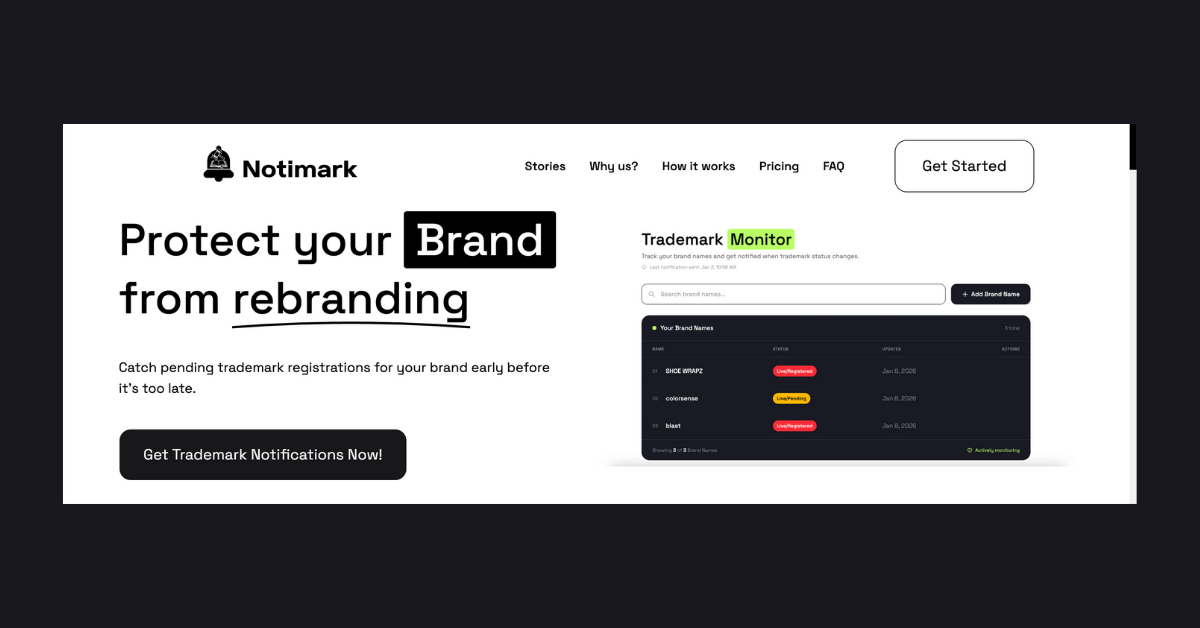
For those who find the process daunting, hiring a trademark attorney or using a service like Notimark can simplify the search. These professionals can provide detailed reports and ongoing monitoring.
What to Do If You Find a Conflict
Finding a pending trademark similar to your desired name doesn’t necessarily mean the end of the road. Here are some steps to consider: you can also learn how to protect your brand name for free.
Conduct a Risk Assessment
Evaluate how similar the pending trademark is to your own in terms of goods, services, and geographical area. Minor differences might allow both to coexist.
Consider Negotiation
Sometimes, the other party might be open to negotiation or licensing agreements, allowing you both to use similar marks in different ways.
Rebrand or Modify
If a conflict seems unavoidable, it might be worth considering rebranding or modifying your name slightly to avoid legal issues.
The Role of Trademark Monitoring
Once you’ve done your initial search, ongoing monitoring is crucial. New trademarks are filed regularly, which means new potential conflicts can arise at any time. Services like Notimark can help by keeping an eye on new applications that could affect your brand.
FAQ
How do I find out if a trademark is pending?
You can check the status of a trademark through the USPTO’s TESS database. Simply enter the name and review the results for pending applications.
What does a pending trademark mean?
A pending trademark is one that has been filed with the USPTO but not yet registered. It can still block your application if it’s similar to your desired name.
Can I use a name that has a pending trademark?
Using a name with a pending trademark is risky. If the trademark registers, you could face legal challenges. It’s best to consult a trademark attorney for advice.
How long does a trademark stay pending?
A trademark application can stay pending for several months to years, depending on various factors like opposition or examination issues.
