Understanding Trademark Duration
When you register a trademark, it’s essential to know how long your protection lasts. So, how long does a trademark last? In most jurisdictions, a trademark registration initially lasts for ten years. However, this duration can vary based on where you register your trademark, so always check local laws.
Initial Registration Period
Typically, a trademark is valid for ten years from the date of registration. This period provides exclusive rights to use the mark in connection with the goods or services for which it is registered. During this time, you can prevent others from using a similar mark that may cause confusion among consumers.
Renewing Your Trademark
To maintain trademark protection beyond the initial period, you must renew it. Here’s what you need to know about renewals:
Renewal Process
- Timing: Most jurisdictions require renewals every ten years. The renewal application can usually be filed within a window before the mark’s expiration date, often six months before the end of the current term.
- Requirements: You may need to prove the mark is still in use. This is often done by providing a statement of use or demonstrating ongoing commerce related to the mark.
- Fees: Renewal usually involves a fee. The cost can vary, so check the relevant trademark office for specific amounts.
Consequences of Missing Renewal Deadlines
Failing to renew a trademark on time can lead to its expiration. Once expired, anyone can potentially register the mark, which might be detrimental if your brand relies heavily on it. By keeping track of renewal deadlines, you can avoid losing valuable intellectual property.
Non-Use and Trademark Cancellation
A registered trademark isn’t just a set-it-and-forget-it asset. Non-use can lead to cancellation.
What Constitutes Non-Use?
Non-use generally refers to not actively using the trademark in commerce. Different jurisdictions have varying rules, but many require proof of use at regular intervals to prevent a mark from being canceled.
How Non-Use Leads to Cancellation
- Duration of Non-Use: If a trademark isn’t used for a certain period, often three to five years, it may be vulnerable to cancellation.
- Challenges by Third Parties: Competitors or other parties may challenge your trademark if they believe it is not in use. This can result in a legal process to determine if the mark should be canceled.
Avoiding Non-Use Issues
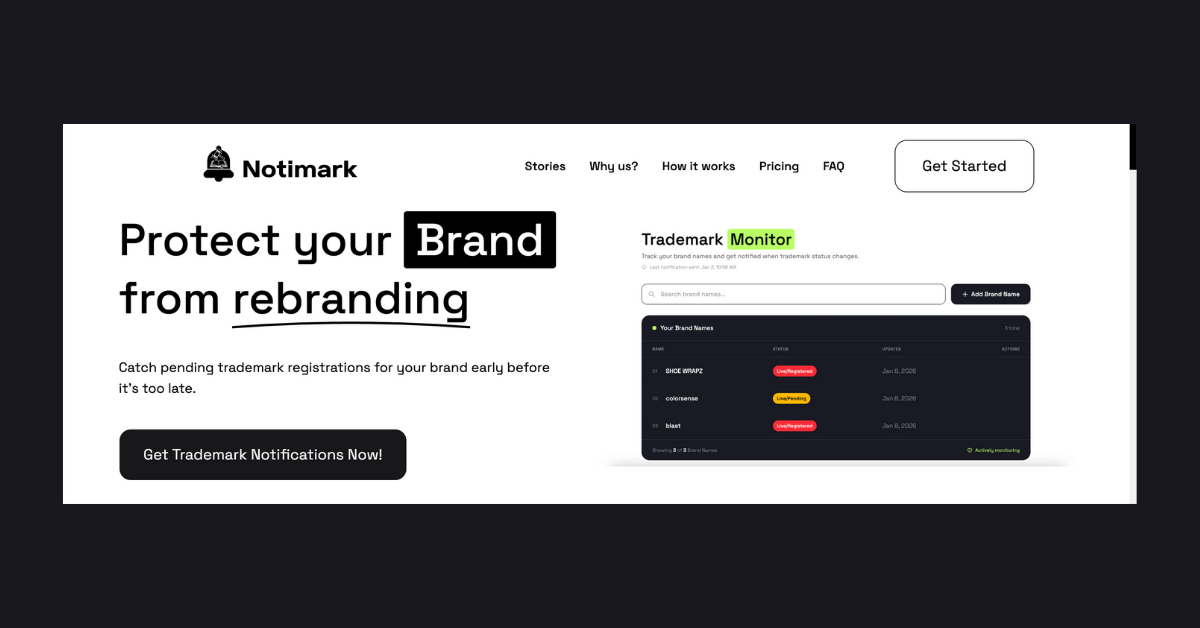
To prevent cancellation, ensure your trademark is genuinely used in commerce. Regularly review your portfolio to confirm that all marks are active and renew them as necessary. Using a service like Notimark can help you monitor your trademarks and alert you to any potential risks.
Protecting Your Trademark
Maintaining a trademark involves more than just registering and renewing it. Here are some steps to keep your trademark protected:
- Monitor for Infringement: Regularly check for unauthorized use of your trademark by others. This can involve online searches, marketplace monitoring, and using services like Notimark to notify you of new or pending marks that may conflict with yours.
- Enforce Your Rights: If you discover an infringement, take action promptly. This may involve sending a cease-and-desist letter or pursuing legal action if necessary.
- Keep Records: Maintain thorough records of your trademark use, renewals, and any enforcement actions. These can be crucial if you need to prove your trademark’s validity or defend against cancellation claims.
FAQ
How long does a trademark last in the US?
In the United States, a trademark lasts for ten years, but you must file a maintenance document between the fifth and sixth year, followed by renewals every ten years.
Can a trademark be renewed indefinitely?
Yes, as long as you continue to use the trademark in commerce and meet the renewal requirements, you can renew it indefinitely.
What happens if I don’t use my trademark?
If you don’t use your trademark for an extended period, it may be canceled for non-use. This often happens if the mark isn’t used in commerce for three to five years.
Do I need a lawyer to renew my trademark?
While not required, consulting with a trademark attorney can help ensure all renewal requirements are met and avoid potential issues.
